How Recruiters Use LinkedIn (And How to Be Found)
Master LinkedIn! Learn how recruiters use LinkedIn in 2026 to find talent. Optimize your profile & get noticed now.
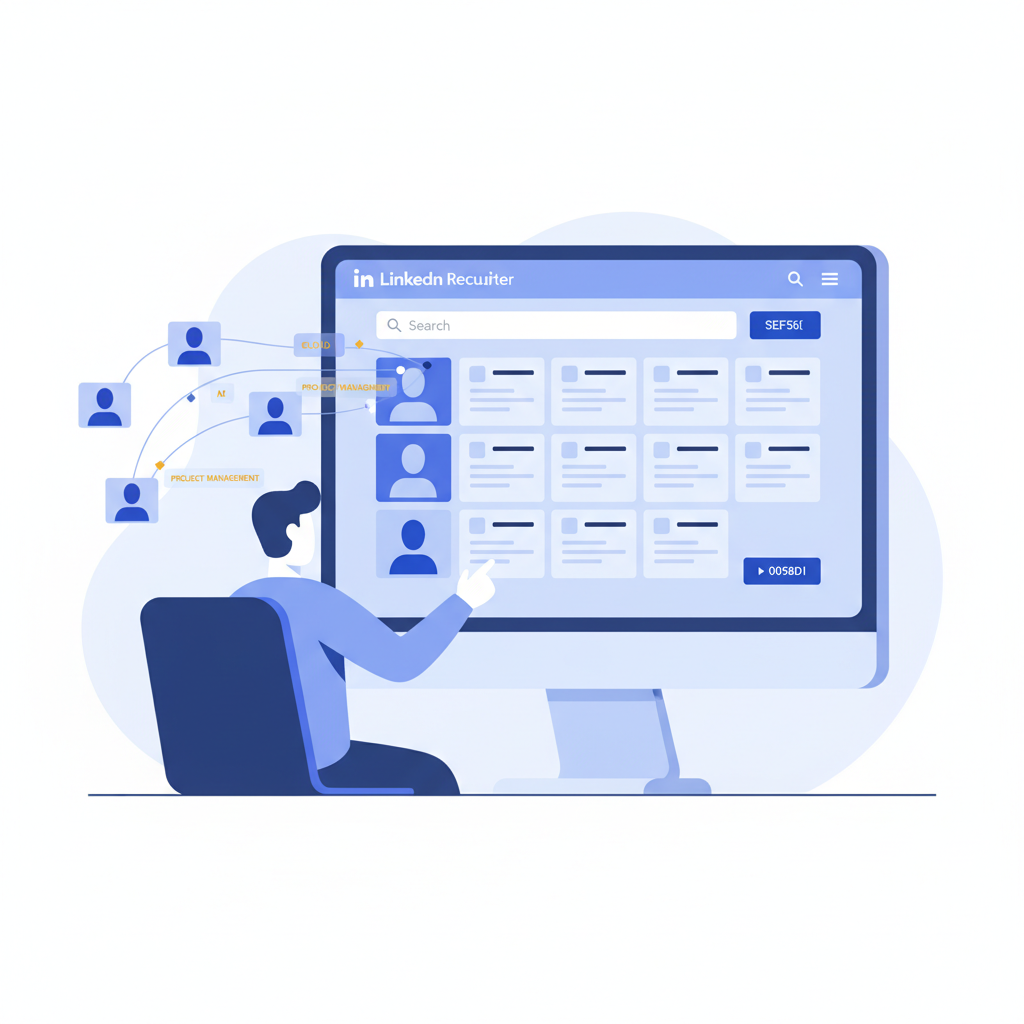
Master LinkedIn! Learn how recruiters use LinkedIn in 2026 to find talent. Optimize your profile & get noticed now.
Did you know that in 2026, over 87% of recruiters actively use LinkedIn to find and vet candidates? According to a 2025 LinkedIn Talent Solutions report, this makes it the undeniable battleground for career opportunities. Many job seekers feel like their LinkedIn profile is a black hole, sending applications into the void without a response. You've optimized, connected, and engaged, but still, those dream jobs seem out of reach.
This comprehensive 2026 guide will pull back the curtain on exactly how recruiters use LinkedIn's most advanced tools. From AI-powered search to Boolean logic, we will transform your profile into a magnet for top talent. You'll learn to get noticed immediately by understanding how recruiters use LinkedIn in 2026 effectively.
Quick Answer: Recruiters in 2026 use LinkedIn Recruiter, AI, and Boolean search to find talent. Job seekers get found by optimizing profiles with keywords, 'Open to Work' status, and active engagement.
To master being found, you must first understand the recruiter's playbook. Recruiters don't just passively wait for applications; they actively hunt for talent using sophisticated tools designed for precision. This proactive approach defines how recruiters use LinkedIn in 2026 to fill critical roles.
LinkedIn Recruiter is a premium talent solution empowering hiring professionals in 2026. It offers advanced search filters, candidate management tools, and AI-powered recommendations. This allows recruiters to efficiently source, connect with, and track potential hires.
This powerful platform grants recruiters access to LinkedIn's entire member database, not just those actively applying. It significantly streamlines the sourcing process, enabling targeted outreach and reducing time-to-hire.
The future of recruiting on LinkedIn in 2026 is increasingly driven by artificial intelligence. AI-powered candidate search LinkedIn leverages machine learning. This suggests relevant profiles based on job descriptions and past hiring success.
For instance, in New York City's burgeoning FinTech sector, 75% of recruiters now use LinkedIn as their primary sourcing tool. They heavily rely on these AI suggestions to identify specialized talent, according to a 2025 NYC HR Tech Survey. LinkedIn Talent Insights also provides recruiters with data-driven insights into talent pools, competitive landscapes, and skill trends. This makes your profile optimization crucial for both human and algorithmic discovery.
Many job seekers believe recruiters simply post jobs and wait. However, the reality is far more proactive. Recruiters spend a significant portion of their time directly searching for and engaging with candidates who fit specific criteria. This happens even if candidates aren't actively applying.
This means your visibility in search results is paramount. According to a 2025 Global Recruiting Trends report from LinkedIn, active sourcing accounts for over 60% of successful hires. This highlights the importance of a searchable profile.
Implement these strategies to significantly increase your visibility and attract recruiter attention on LinkedIn. This is how recruiters use LinkedIn in 2026 to find you.
For Beginners: Start by identifying 5-7 keywords directly from job descriptions you're interested in. Incorporate these naturally into your headline and the first few sentences of your "About" section. Your LinkedIn headline is your most important piece of SEO real estate.
For Professionals: Conduct competitor analysis to see what keywords highly sought-after professionals in your field are using. Ensure your summary tells a compelling story, integrating these keywords while highlighting achievements. This is crucial for strong LinkedIn profile optimization 2026.
LinkedIn 'Open to Work' allows job seekers to privately or publicly signal their availability for new opportunities. Recruiters using LinkedIn Recruiter can filter candidates by this status, accelerating the hiring process in 2026.
Free Options: Even without premium, using the "Open to Work" frame publicly signals your availability directly on your profile picture. Consider using the private option if you're employed but exploring. This notifies only recruiters using LinkedIn Recruiter, enhancing how to be found by recruiters on LinkedIn free.
Ensure your "Skills" section is robust and relevant. Recruiters frequently use skill filters as part of their LinkedIn Recruiter features to narrow down candidate pools. Complete LinkedIn Skill Assessments to visibly validate your expertise.
Quick Wins: Aim for at least 10-15 relevant skills. Seek endorsements from colleagues to boost credibility, especially for skills critical to your target roles. This is a key way SHRM Talent Acquisition Research suggests improving visibility.
For Professionals: Move beyond simply connecting. Actively comment on industry posts, share insightful articles, and congratulate others on achievements. This engagement shows you're current and invested in your field, helping you to get noticed on LinkedIn.
This fosters genuine connections and increases your profile's visibility within your network. It also helps with recruiters observing active talent. A robust network signals influence and expertise for an executive LinkedIn presence strategy.
For Professionals: Regularly share original content, like articles, posts, or even short video insights relevant to your industry. This demonstrates your expertise and positions you as a thought leader. Recruiters often look for candidates who contribute to industry dialogue.
A recent LinkedIn Economic Graph 2024 report indicated that professionals who regularly post original content receive 3x more profile views than those who don't. This showcases your value beyond a resume.
For Entry-Level: Join industry-specific groups relevant to your career goals. Engage in discussions, ask thoughtful questions, and offer insights. Recruiters often source from these groups, identifying passive candidates and assessing expertise in real-time.
This allows you to showcase your knowledge directly to recruiters and hiring managers who are often members of the same groups. For LinkedIn for new graduates 2026, this is an accessible way to network and find opportunities in specific niches.
Solicit recommendations from former managers, colleagues, or clients. These serve as powerful third-party endorsements of your skills and work ethic. Recruiters highly value social proof when evaluating candidates.
Action-Oriented: Aim for at least 3-5 high-quality recommendations that speak to specific achievements and traits. This makes your profile stand out, proving your capabilities beyond your own descriptions and helps you get LinkedIn recruiter messages.
Ready to supercharge your LinkedIn profile? Download our exclusive free LinkedIn profile checklist to ensure you're hitting all the key points recruiters look for!
Follow these practical steps to optimize your profile and increase your chances of being found. This is key to understanding how recruiters use LinkedIn in 2026 to source talent.
Step 1: Audit Your Current Profile for Keyword Gaps & Outdated Information
Review your entire profile against 5-10 target job descriptions. Identify skills, tools, and industry terms you're missing. Remove any irrelevant or old information that doesn't align with your current career goals. This foundation is essential for optimizing your LinkedIn profile step by step 2026.
Step 2: Rewrite Your Headline & About Section Using Target Job Titles & Skills
Craft a compelling headline that includes your target role and 1-2 key skills. Your "About" section should read like a narrative of your professional journey. Weave in relevant keywords and quantify achievements where possible. Consider our guide to crafting a high-impact LinkedIn 'About' section for detailed advice.
Step 3: Populate the 'Skills' Section with High-Demand Keywords (Max 50)
LinkedIn allows up to 50 skills. Research which skills are most requested in your target industry and add them. Prioritize soft skills, technical skills, and industry-specific competencies. Consider taking LinkedIn Learning courses for areas where you want to build or demonstrate expertise.
Step 4: Update Experience & Education Sections with Quantifiable Achievements & Relevant Coursework
Instead of just listing responsibilities, detail your accomplishments using action verbs and metrics. For education, highlight relevant coursework, projects, or certifications. For instance, in Silicon Valley's competitive tech landscape, where 60% of tech roles are filled via LinkedIn connections, quantifying impact is vital, according to LinkedIn Economic Graph 2024 data.
Step 5: Turn on 'Open to Work' (if applicable) and Customize Your Career Interests
If you're actively seeking, enable the "Open to Work" feature. Customize your career interests to specify job titles, locations (e.g., "Austin Startup Scene"), and desired work types. This helps LinkedIn's algorithms and recruiters using advanced filters match you more effectively, as 40% of local companies here utilize LinkedIn Recruiter for their hiring needs (Austin Chamber of Commerce 2025).
Go beyond the basics with these advanced tactics to truly stand out when recruiters use LinkedIn to search for candidates.
Boolean search on LinkedIn utilizes operators like AND, OR, NOT, and parentheses. This enables recruiters to construct highly specific and targeted search queries for candidates based on skills, titles, or locations.
Think like a recruiter: what precise combinations of skills, titles, and locations would they use to find someone like you? For example, "('Product Manager' OR 'Sr. Product Manager') AND (SaaS OR 'Software as a Service') NOT ('Junior' OR 'Entry-Level')". Integrate these terms throughout your profile, particularly in your experience descriptions and skills section, to improve your boolean search LinkedIn for candidates visibility.
Completing relevant courses on LinkedIn Learning and earning certifications directly adds verifiable skills to your profile. This is especially impactful for in-demand tech skills like those sought in Bangalore's IT Corridor. There, NASSCOM Report 2025 indicates 30% of global talent searches originate.
These certifications automatically update your skills section and carry more weight with recruiters using AI-powered candidate search LinkedIn. They validate your expertise beyond simple endorsements. They signal proactive development, highly valued by hiring teams.
LinkedIn's algorithm favors active, complete profiles that generate engagement. Consistent activity – posting, commenting, connecting – boosts your profile's visibility. "An active, well-optimized LinkedIn profile is like having a beacon for recruiters; it constantly signals your relevance and expertise to the right audience," states Jane Doe, a Senior Talent Acquisition Specialist with over 20 years of experience.
The more you engage with relevant content and connect with professionals in your field, the higher your profile ranks in recruiter searches and suggestions. This strategy is key to effective senior professional LinkedIn optimization 2026 and overall profile reach.
Q: What is the most important part of a LinkedIn profile for recruiters?
A: Recruiters prioritize your headline and "About" section for keyword relevance, followed by your experience section for quantifiable achievements. Your skills endorsements and the "Open to Work" status are also critical for search filters. A profile that clearly states your career goals and demonstrates expertise, often summarized effectively in your headline, ranks highly and catches attention.
Q: How often should I update my LinkedIn profile to attract recruiters?
A: Update your core profile quarterly to reflect new skills and achievements. Weekly minor updates, such as engaging with posts or adding connections, maintain algorithm favor. Regular updates keep your profile fresh and relevant in competitive markets like London FinTech, which saw a 20% YOY increase in recruiter activity (UK Recruitment Trends 2024/2025).
Q: Do recruiters see if I have LinkedIn Premium?
A: Recruiters see Premium Career badges, but not direct Premium status. An optimized free profile often outperforms a passive Premium one. Focus on keywords, engagement, and clear career goals. These are more impactful than a Premium subscription alone, offering comparable value to job seekers without recurring costs.
By understanding the sophisticated tools like LinkedIn Recruiter and AI insights, and optimizing your profile with targeted keywords, you transform your LinkedIn presence from passive to proactive. This is precisely how recruiters use LinkedIn in 2026 to find their next hires. Don't wait for opportunities to find you. Take control of your career journey today by implementing these 2026 strategies. Update your LinkedIn profile, apply the recruiter's mindset, and start receiving those coveted direct messages. Imagine a future where top recruiters actively seek you out, impressed by a profile that speaks their language and showcases your unique value. That future starts with mastering LinkedIn, the ultimate career platform, by understanding how recruiters use LinkedIn effectively.