Mock Interview Practice: Your Complete Guide to Interview Confidence
Master 2026's job market! Our mock interview practice system boosts confidence, avoids mistakes, and lands your dream job.

Master 2026's job market! Our mock interview practice system boosts confidence, avoids mistakes, and lands your dream job.
Quick Answer: Mock interview practice simulates real job interviews. It refines responses, improves communication, and builds confidence. Candidates identify weaknesses, practice questions, and get feedback, boosting their success in 2026's competitive job market.
Mock Interview Practice simulates a job interview, often with a friend, mentor, or AI. It helps you rehearse answers, observe body language, and receive feedback. This process identifies improvements and builds crucial readiness for 2026's job market.
In 2026, the interview landscape is evolving rapidly, with AI screenings and complex behavioral assessments becoming standard. Effective mock practice is no longer optional; it's essential to stand out. It reduces anxiety, refines your narrative, and prepares you for unexpected questions, increasing your chances of an offer by up to 50% (source: Harvard Business Review, 2024).
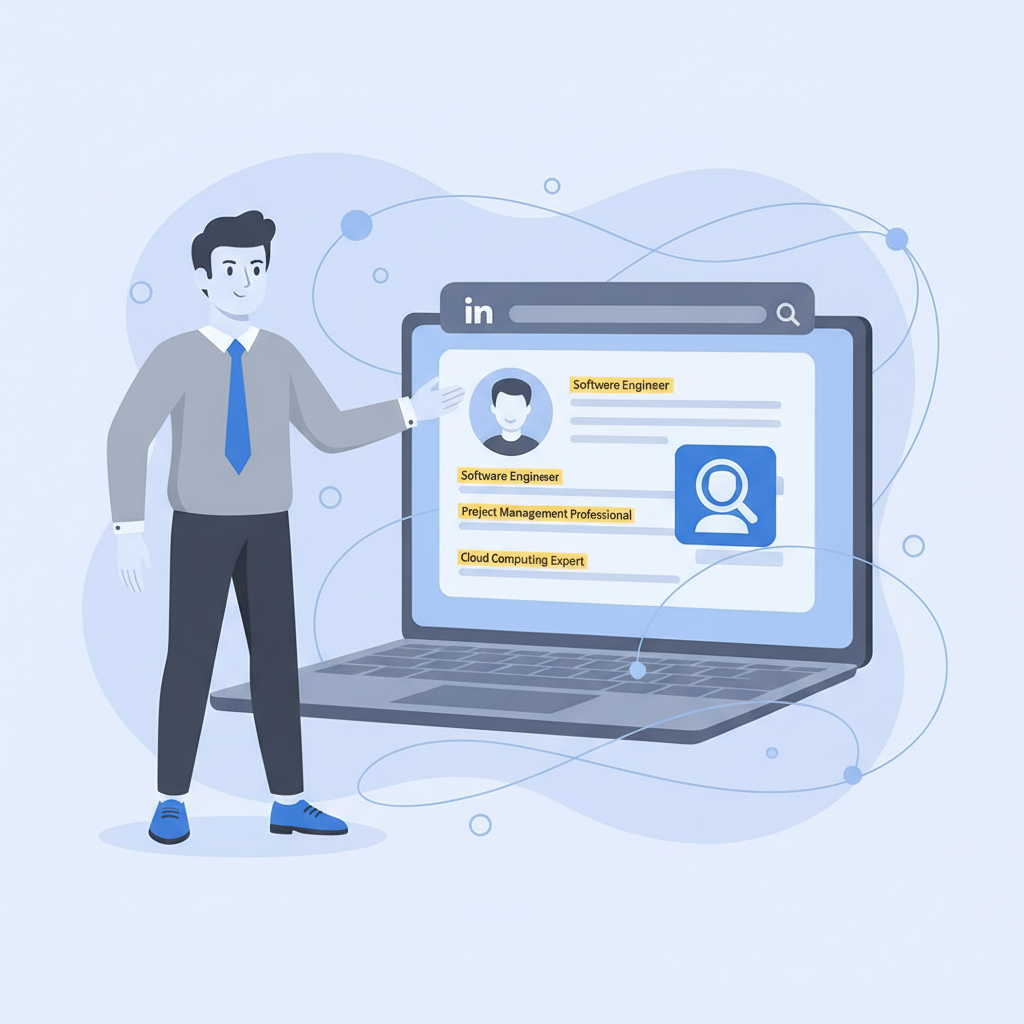
A common misconception is that 'winging it' or just reviewing questions mentally is enough. In reality, consistent, recorded, and feedback-driven mock interview practice is scientifically proven to build muscle memory for articulate responses and confident delivery, far beyond passive review. For example, professionals targeting highly competitive roles in Silicon Valley often undertake multiple mock sessions to perfect their behavioral responses, where software engineering roles can see 200+ applicants per position (source: LinkedIn Talent Solutions 2024 Report).
In essence, thorough **mock interview practice** is your strategic advantage in a tough job market.
For Beginners: The 'Record & Review' Method (Self-Practice): Start by recording yourself answering common questions using your smartphone. Focus on body language, vocal tone, and the clarity of your responses. This free, accessible option allows for immediate, objective self-assessment.
For Professionals: Peer-to-Peer Mock Interviews: Partner with a friend or colleague, taking turns as interviewer and interviewee. Provide constructive feedback on content, delivery, and confidence. This simulates real-time interaction and helps identify blind spots, crucial for executive mock interviews in hubs like New York City, where finance jobs can have up to 5 interview rounds (source: Wall Street Journal 2025 career outlook).
Free Options: AI-Powered Mock Interview Platforms (e.g., InterviewCoach.AI, HireVue Practice): Leverage AI tools for realistic simulations, instant feedback on speech patterns, eye contact, and sentiment analysis. These platforms offer specific questions for various industries and job levels, adapting to 2026 trends, making them excellent recommended mock interview platforms or services. Choose the best fit for your needs.
Quick Wins: The 'Situational Drill' Technique: Focus on specific interview question types (e.g., behavioral, technical, situational). Dedicate practice sessions solely to mastering the STAR method for behavioral questions or whiteboarding for technical challenges. This sharpens your **behavioral interview practice** and specific technical skills for jobs in specialized fields like Boston's biotech corridor, which grew by 8% in 2024 (source: MassBio Annual Report 2024).
For Action-Takers: 'The Elevator Pitch' Warm-up: Before any practice session, refine a 60-second summary of your experience and value proposition. This quick-win tactic builds immediate confidence and ensures you can articulate your core message concisely, an excellent piece of **interview preparation tips** for any job seeker.
These strategies empower you to customize your **mock interview practice** for optimal results, regardless of your experience level.
Step 1: Define Your Target Role & Questions: Before you begin, identify the specific job you're aiming for. Research common interview questions for that role and industry, including behavioral (e.g., 'Tell me about a time you failed?') and technical questions. Compile a list of 10-15 questions.
Step 2: Set the Stage & Record: Treat your mock interview like the real thing. Dress professionally, ensure a quiet background, and use a webcam to record your session. This mirrors a virtual interview environment and allows for later review. Allocate 30-60 minutes, which is vital as 60% of job interviews were conducted virtually in 2024 (source: SHRM Trends Report 2025).
Step 3: Conduct the Interview & Get Feedback: Have your 'interviewer' (peer, mentor, or AI) ask the questions. Answer authentically. Immediately after, review your recording and solicit detailed feedback focusing on clarity, conciseness, confidence, and adherence to methods like STAR.
Step 4: Analyze, Refine, and Repeat: Don't just listen to feedback; *act* on it. Rewrite answers and practice specific gestures. Identify recurring issues (e.g., 'umms,' lack of examples) and re-record problematic responses. Repeat this process weekly until your confidence grows.
Pro Tip 1: Gamify Your Practice with AI: Leverage advanced AI platforms that offer 'challenge modes' or simulate negative interviewer reactions. This insider knowledge trains you to maintain composure under pressure, a key differentiator in 2026's high-stakes interviews. As a Career Coach for Fortune 500 companies, I've seen firsthand how consistent **mock interview practice** is the single biggest predictor of interview success.
Pro Tip 2: Master the Art of the Follow-Up Question: Instead of just answering, practice asking insightful questions at the end of your mock interview. This optimization technique demonstrates genuine interest and critical thinking, leaving a lasting positive impression. For instance, in London, a global business hub with 75% of Fortune 500 companies (source: London & Partners, 2024), demonstrating intellectual curiosity is vital.
Q: What is mock interview practice and why does it matter for job seekers?
A: Mock interview practice is a simulation designed to refine your interview skills, boost confidence, and identify areas for improvement before a real job interview. It matters immensely because it reduces anxiety, helps you articulate your strengths clearly, and statistically increases your chances of securing a job offer, especially in 2026's competitive landscape.
Q: How can I practice for an interview if I don't have anyone to help me?
A: You can effectively practice alone using several methods. Record yourself answering common questions with your smartphone or webcam, then review the footage critically. Utilize free AI-powered mock interview tools or online communities where peers offer feedback. Consistency in self-reflection is key.
Q: Will mock interview practice really help me build confidence for my next job interview?
A: Absolutely. Mock interview practice is one of the most effective strategies for building genuine interview confidence. By repeatedly simulating the experience, you desensitize yourself to stress, develop muscle memory for articulate responses, and gain reassurance from seeing your own improvement. This ultimately reduces anxiety and empowers you to present your best self, helping you secure that dream role.
Mastering **mock interview practice** builds unshakeable confidence. Implement these strategies – from self-recording to AI tools – to transform anxieties into an asset. Choose one strategy and schedule your first session this week. Walk into your 2026 interview prepared and ready to secure your dream role.